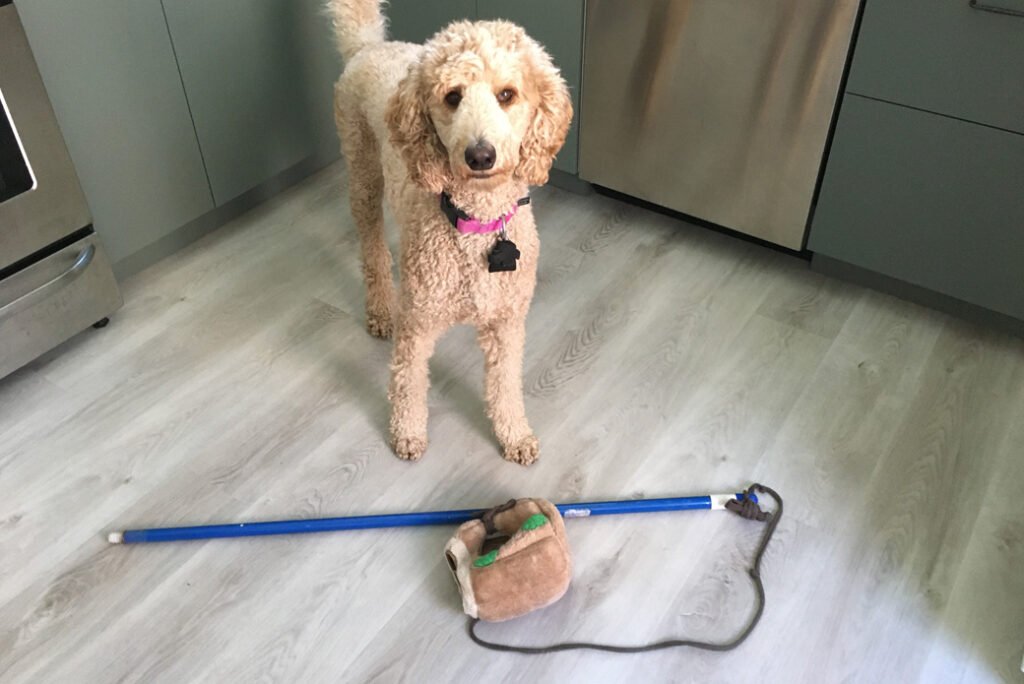
If your dog or cat isn’t eating, it’s natural to worry. Appetite is one of the most visible signs of health, so when it changes, it gets your attention fast. The good news is that many appetite changes in pets are normal and temporary.
The key is understanding why pets stop eating, what patterns matter, and when a missed meal becomes something more.
Table of Contents
ToggleCommon Reasons Dogs and Cats Stop Eating
Pets don’t eat based on the clock the way people do. Dogs and cats adjust intake based on activity, stress, comfort, and routine.
A pet may eat less after a low-activity day, a schedule change, extra treats, or a stressful event. Even small environmental changes can affect appetite, especially in cats. Moving a food bowl, adding a new pet, or changing feeding times can be enough to cause hesitation.
In these cases, appetite usually returns within a day or two without intervention.
One Skipped Meal vs a Real Appetite Problem
A single missed meal rarely means illness. What matters is pattern and behavior.
If your pet skips food but is still drinking water, alert, and acting like themselves, that’s often a normal appetite dip. If reduced eating continues for multiple days or comes with behavior changes, it deserves closer attention.
Appetite loss becomes more concerning when paired with lethargy, vomiting, diarrhea, hiding, pain, or noticeable weight loss.
Dog Not Eating but Acting Normal
This is one of the most searched pet questions, and usually the least alarming.
Many dogs skip meals due to boredom, stress, heat, or routine changes. As long as energy, hydration, and behavior remain normal, it’s often safe to observe for a short period.
If a dog refuses food for more than two days or shows additional symptoms, a vet visit is recommended.
Cat Not Eating but Drinking Water
Cats require closer monitoring. Even if a cat seems otherwise normal, appetite loss carries more risk than it does for dogs.
If a cat eats very little or nothing for more than 24 hours, it’s important to watch closely. At 48 hours, a call to the vet is strongly advised. Cats are more sensitive to prolonged appetite loss, even when other signs appear mild.
Behavioral and Environmental Causes of Appetite Loss
Many appetite issues are behavioral, not medical.
Pets may feel uncomfortable eating in noisy or high-traffic areas. Multi-pet households can create subtle stress around food. Some pets associate the bowl with a past upset stomach and hesitate even after they feel better.
Before switching food or adding toppers, it’s worth considering whether something around the feeding routine has changed.
When Appetite Loss Means You Should Call the Vet
You should contact your vet if your pet:
-
Has not eaten for more than 48 hours
-
Is vomiting or has diarrhea
-
Shows low energy or behavior changes
-
Appears painful when chewing or moving
-
Is losing weight unintentionally
Trust your instincts. You know your pet’s normal behavior better than anyone.
Supporting Healthy Eating Without Creating Picky Habits
It’s tempting to fix appetite loss quickly by changing food or offering frequent treats. While that can help short term, it often creates picky eating habits over time.
Keeping meals consistent, calm, and pressure-free allows appetite to return naturally when the cause is temporary. If it doesn’t, that information helps your vet pinpoint the issue faster.
Tried & Trusted Products That Can Help
(Disclosure: We may earn a commission if you buy through our links at no extra cost to you.)
Puzzle Feeders
Puzzle feeders can help dogs and cats who seem uninterested because meals feel boring or rushed. Gentle mental engagement can slow distracted eaters and renew interest in food.
Caveat: Not ideal for underweight pets or those already refusing most food.
Snuffle Mats
Snuffle mats encourage natural foraging behavior, which can help pets re-engage with meals without changing food types.
Caveat: Best for pets willing to search. Not effective for pets refusing food entirely.
FAQ: Pet Appetite Loss
How long can a dog go without eating?
Many healthy dogs can skip a day without harm. Ongoing refusal or behavior changes require evaluation.
How long can a cat go without eating?
Cats should not go more than 24–48 hours without food. Longer periods require veterinary care.
Should I switch food if my pet won’t eat?
Not immediately. Sudden changes can worsen digestion and mask the real issue.
Is appetite loss always a sign of illness?
No. Stress, routine changes, and environment are common causes.
Final Word
A pet not eating is a message, not a diagnosis. Most appetite changes are short-lived and resolve on their own. By watching patterns, staying calm, and knowing when to involve your vet, you can respond confidently without unnecessary stress.
Sometimes patience is the right move. Sometimes it’s time for help. Knowing the difference protects your pet’s health.