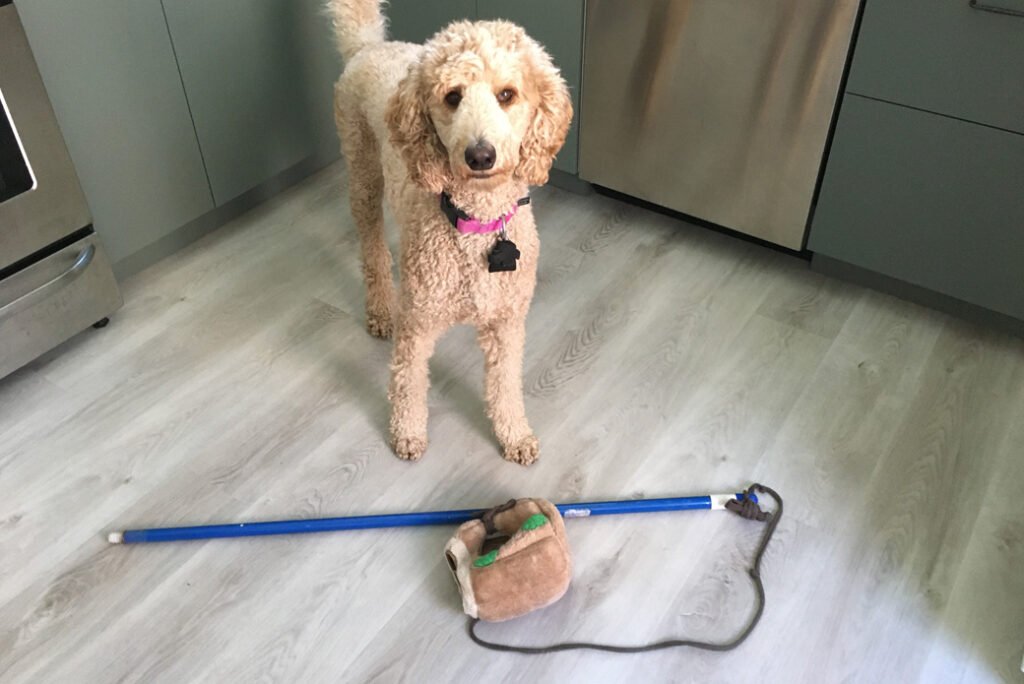
You sit down to eat. Within seconds, your dog appears at your knee or your cat positions themselves within view of your plate. They’ve already eaten. Their bowl is empty. Yet the interest is intense.
The staring feels deliberate. Sometimes it feels strategic.
But most of the time, it’s not hunger. It’s pattern recognition.
Table of Contents
TogglePets Are Experts at Reading Routine
Dogs and cats quickly learn that human mealtimes are predictable events. Plates come out. Smells change. Attention shifts. Sometimes food falls. Sometimes food is shared.
Even one or two small bites offered in the past can teach a powerful lesson. From your pet’s perspective, watching you eat has paid off before. So they try again.
This is reinforcement, not need.
Hunger vs Anticipation
True hunger often looks different from quiet observation.
If your pet is pacing, vocalizing intensely, or searching the kitchen long after mealtime, hunger may be part of the picture. But if they sit calmly and watch, they are often anticipating opportunity, not signaling deficiency.
Fast eaters may also appear interested simply because their meal ended quickly.
The Social Bond Factor
Eating is a social activity in many species. In the wild, group members eat together. Watching you eat may simply be proximity behavior. Your pet feels connected to you and wants to participate in the moment.
This is especially common in dogs, who are highly attuned to human routines.
Cats may position themselves nearby without directly engaging. It’s less about food and more about shared space.
How Occasional Bites Create Strong Habits
Intermittent rewards are powerful. If a pet receives table food occasionally, the unpredictability makes the behavior stronger, not weaker.
From their perspective, trying sometimes works.
That is why consistency matters more than volume.
How to Reduce Table-Side Staring Without Stress
Changing this behavior does not require scolding. It requires predictability.
Feed pets before you eat when possible. Avoid eye contact or conversation during meals. If you choose not to share food, make that choice consistent.
Over time, the pattern fades when it stops paying off.
Tried & Trusted Tools That Can Help
(Disclosure: We may earn a commission at no cost to you.)
Slow Feeder Bowls
Slowing down fast eaters can increase satisfaction and reduce immediate interest in your meal.
Caveat: Only helpful if speed is part of the issue.
Designated Settle Mats
Teaching a consistent resting spot during meals gives pets a clear alternative behavior.
Caveat: Requires repetition and calm reinforcement.
FAQ: Why Pets Watch You Eat
Does staring mean my pet is underfed?
Not necessarily. Observation is often habit-driven.
Should I give a small bite just to stop the staring?
Inconsistent rewards usually prolong the behavior.
Why does my cat sit near me but not beg?
Cats often seek proximity without expectation of food.
How long does it take to break the habit?
With consistency, many pets adjust within one to two weeks.
Final Word
When your pet watches you eat, it is rarely about need. It is about memory, pattern, and connection. Understanding the difference helps you respond calmly instead of reactively.
Consistency teaches faster than correction.